24/7 propane emergency support: (800) 555-0188
EverPeakPropane Gas Services
Propane gas safety

Propane safety comes first.

Know what to do around propane tanks, cylinders, appliances, and suspected propane gas leaks.

If you smell propane gas

Leave first. Call from a safe location.

A propane odor may indicate a leak. Treat it seriously and get away from the area before making calls.
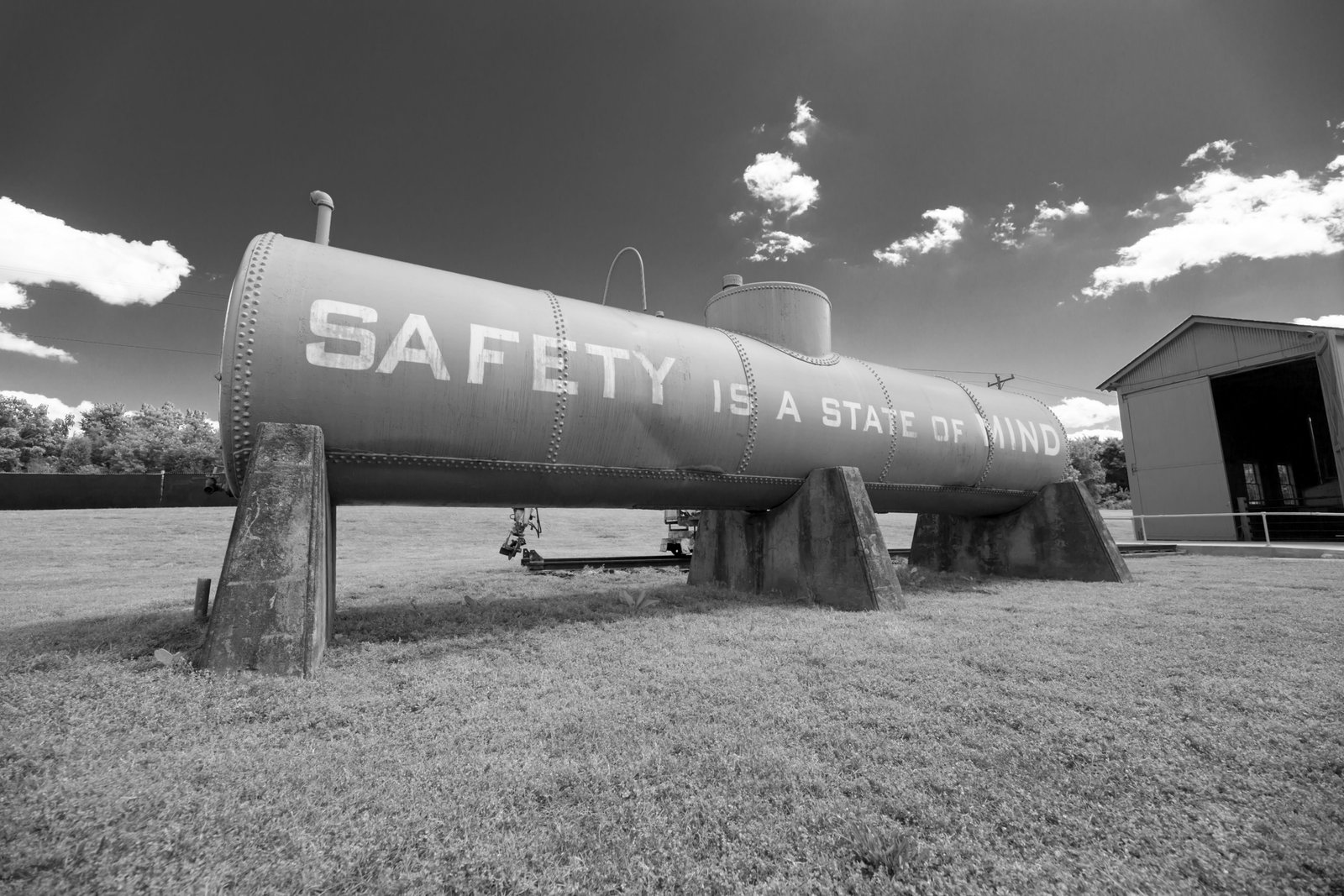
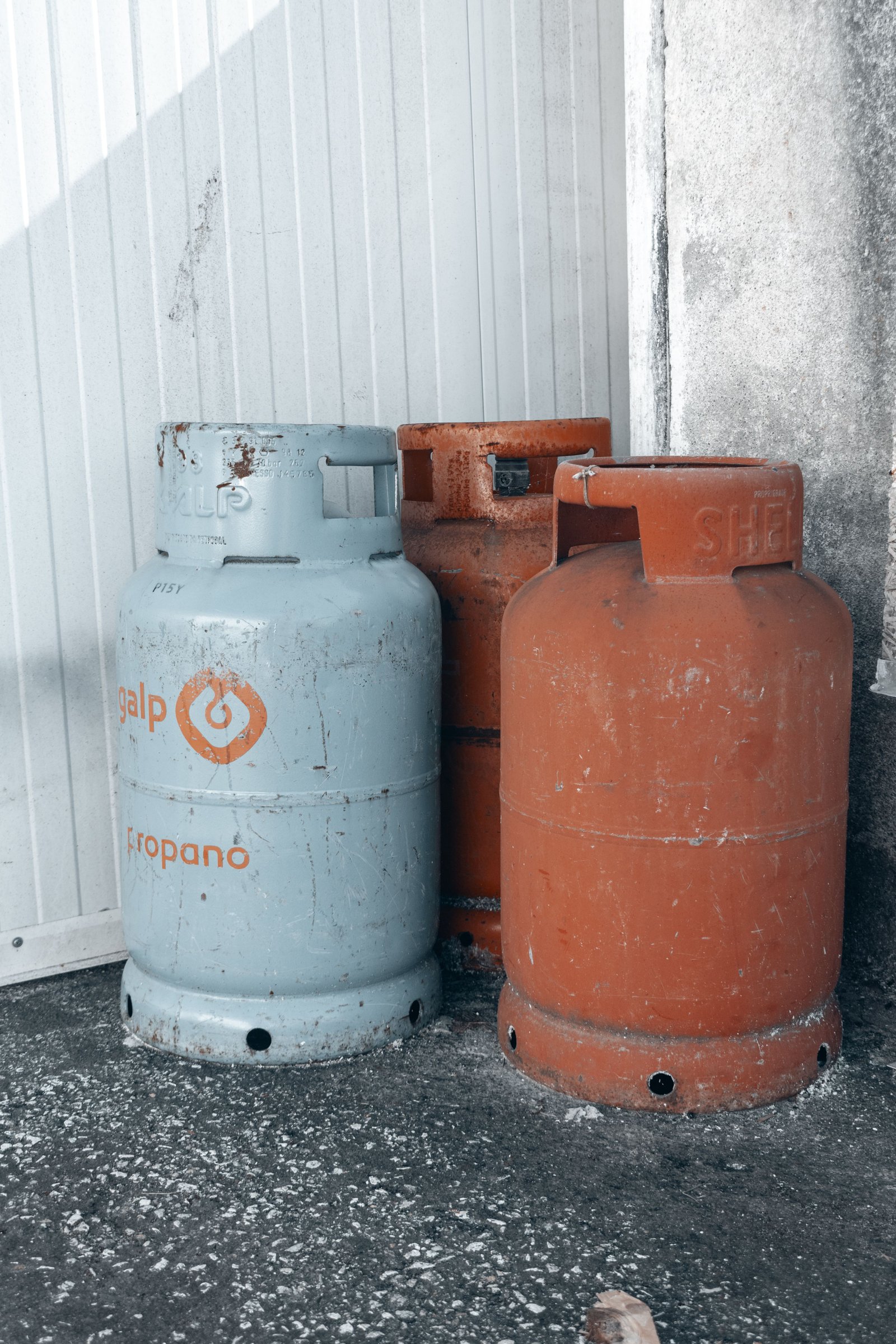
Important: Do not use flames, smoke, operate electrical switches, use phones near the suspected leak, or start vehicles close to the area. Leave the area, then call 911 and your propane provider from a safe location.
Propane safetyLarge propane tank displaying a safety messagePropane gas cylinders
Propane safety basics

Keep your propane system and equipment safe.

These reminders help customers recognize when to seek professional propane service and how to safely respond to concerns.

1

Keep propane tanks accessible

Keep propane tanks, regulators, valves, and service areas clear so qualified propane personnel can inspect and work safely.

2

Use trained propane professionals

Tank installation, service, and appliance connection should be handled by qualified propane professionals following applicable local requirements.

3

Inspect propane equipment

Contact your propane provider if you notice damage, rust, unusual odor, loose connections, or a concern with your tank or cylinder.
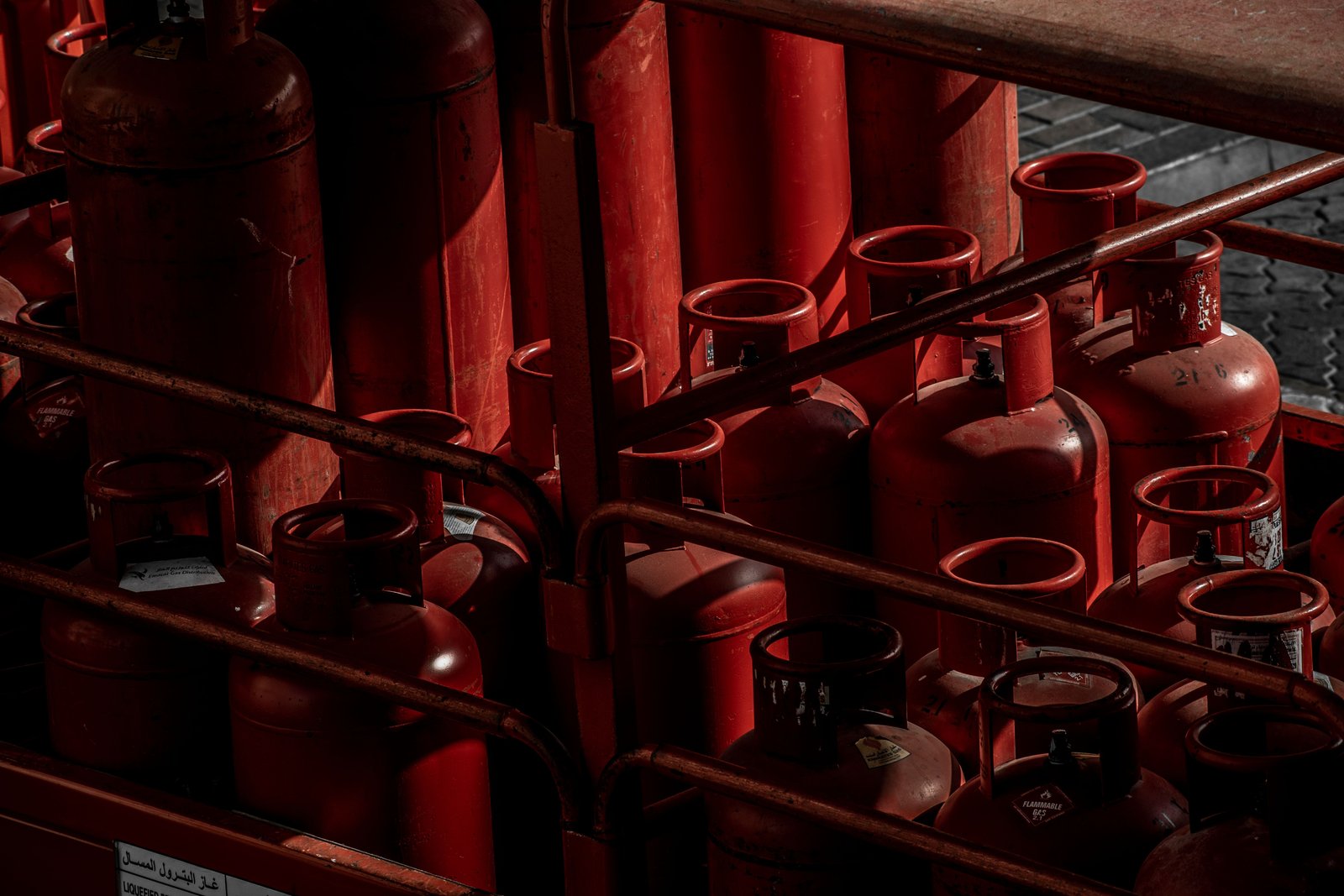
Cylinder safetyPropane cylinders arranged for supplyPropane gas cylinders
Propane cylinders

Handle propane cylinders with care.

Propane cylinders should be kept upright, protected from damage, and handled according to the instructions for the equipment and local regulations.

  • Keep cylinders upright and secure during transport
  • Store cylinders away from ignition sources and in well-ventilated areas
  • Do not use or refill a damaged propane cylinder
Ask a propane safety question
Propane safety questions

A few important answers.

Leave the area immediately. Do not create a spark or flame. From a safe location, call 911 and your propane provider for assistance.
Do not attempt to repair propane tanks, regulators, valves, lines, or appliances yourself. Contact a qualified propane professional for service.
Contact your propane provider or another qualified propane professional to inspect equipment, answer safety questions, and advise on next steps.
Need propane safety support?

Talk with a propane safety specialist.

Use the contact page for non-emergency propane safety questions. For emergencies, leave the area and call from a safe location.

Contact propane support